
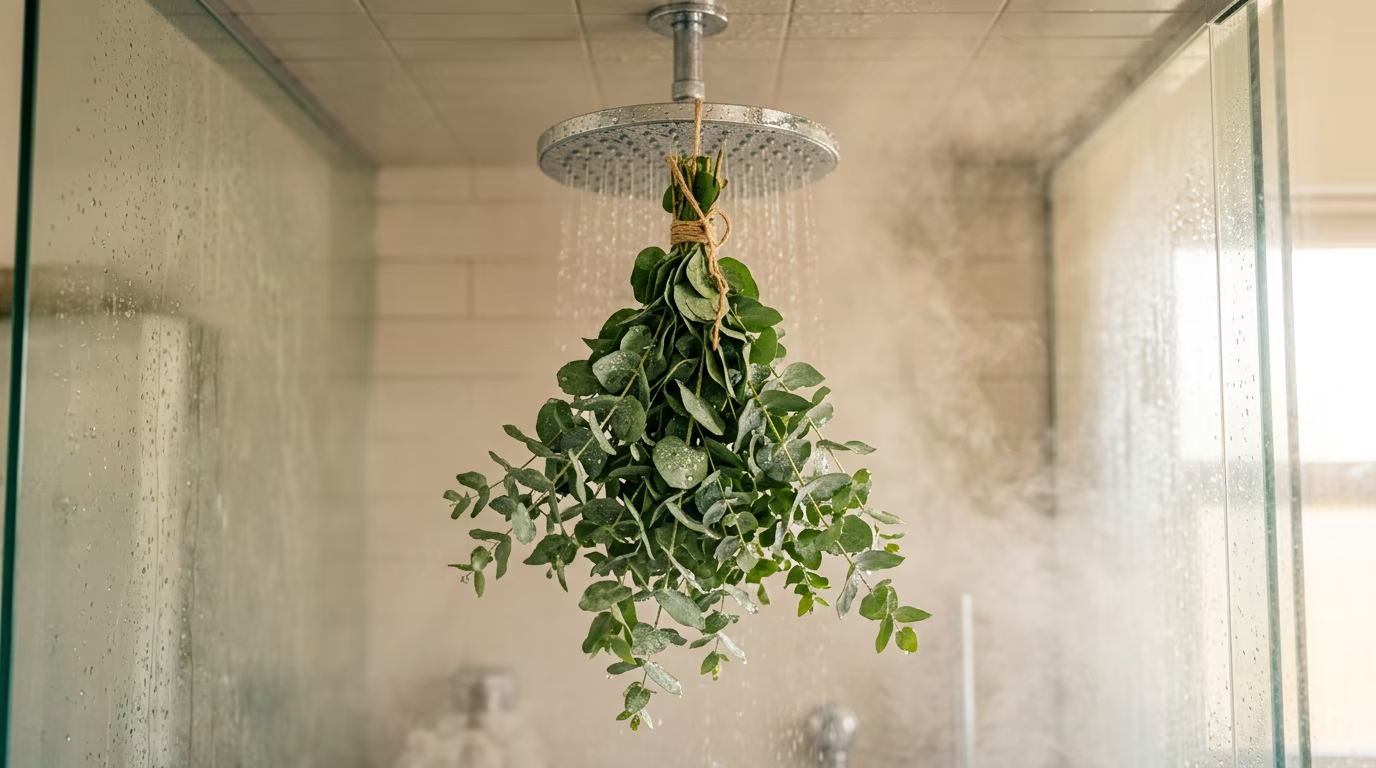
Walk into the steam room at any decent spa and the first thing you notice is not the heat. It is the smell. Sharp, cool, vaguely medicinal, immediately recognizable — that is eucalyptus, and it has been the default scent of steam bathing for about as long as there have been steam rooms.
The pairing is not an accident of marketing. Steam and eucalyptus work together physically, and the effect is real. It is also routinely oversold. The internet will tell you eucalyptus steam clears infections, cures congestion and detoxifies your lungs. The evidence supports something more modest and still worth having: it makes breathing feel easier, it makes a steam session noticeably more pleasant, and it costs almost nothing.
This is what the scent actually does, what it does not do, and the three practical ways to get it into your steam shower — plus the one method that will quietly destroy your equipment.
The Short Answer
Eucalyptus shower steam works on your perception, not your lungs. The main compound in the oil, eucalyptol, triggers the same cold receptors in your nose and airways that menthol does. Your brain reads that as cooler, clearer, easier breathing, and the warm wet air around it does the rest.
That is a sensory effect, and sensory effects are not nothing — anyone who has sat through a head cold knows the difference between breathing that feels open and breathing that feels like work. But it is not medicine, and it is worth holding the two apart.
Practically: a fresh bundle hung out of the water stream, or two or three drops of oil on a washcloth, or a tablet on the floor. Never oil in the generator or on the steam head. Details below.
Why Eucalyptus and Steam Belong Together
Steam rooms run around 110 to 120°F at near-100 percent humidity, and that environment does three things for a scent.
Heat volatilizes the oil. Eucalyptus oil evaporates slowly at room temperature and quickly at steam room temperature. A couple of drops that would scent a bathroom shelf faintly for a week will fill a steam room in a minute.
Humidity carries it. Water vapor moves aromatic compounds around the room evenly and keeps them suspended. In a dry room a scent pools near its source; in steam it is everywhere at once.
The dose self-regulates. Steam sessions are short — ten to twenty minutes — and the scent fades within hours. You get a strong effect in a small window, which is the right shape for aromatherapy.
This is also why the scent reads so strongly as “spa”: most people first met concentrated eucalyptus in a commercial steam room. Bringing the smell home is a genuine shortcut to making a home steam shower feel like a real eucalyptus steam room.
What the Smell Actually Does
Here is the honest version, with the strength of the evidence attached.
The cooling sensation is well established. Eucalyptol activates cold-sensitive receptors in the nasal passages. The air is not cooler and your airways are not measurably wider, but the sensation of clear, cool breathing is strong and immediate. This is the same mechanism as menthol lozenges, and it is the main thing you are buying.
Subjectively easier breathing during colds is commonly reported, and the clinical evidence is modest. People with stuffy noses consistently say eucalyptus steam helps. Studies on eucalyptol show mild effects — some anti-inflammatory action in airway tissue, some mucus-thinning in lab settings — but nothing that rises to a treatment. A eucalyptus steam session will make you feel better for an hour. It will not shorten the cold.
The relaxation effect is real but generic. Slow breathing in warm, good-smelling air lowers arousal, and people reliably rate scented steam sessions as more restorative than unscented ones. That is a genuine benefit. It is also what warm baths and quiet rooms do. Eucalyptus is a very good version of a general effect.
What it does not do: kill the virus causing your cold, detoxify anything, treat asthma, or replace a decongestant. If a product page says otherwise, discount the rest of what that page tells you.
One caution that is not hype: concentrated eucalyptus oil is an irritant. In a well-ventilated steam room at a few drops per session this is a non-issue for most adults, but if your eyes or airways sting, the dose is too high. Use less.
The Three Ways to Use It
| Method | Cost | Lasts | Effort | Best for |
|---|---|---|---|---|
| Fresh branch bundle | $5–15 per bunch | 1–2 weeks in steam | Replace when faded | Daily steamers, looks good doing it |
| Essential oil drops | $10–20 per bottle, months per bottle | Per session | One drop at a time | Most people; the strongest, cheapest scent |
| Steam tablets or pods | $1–3 per tablet | One session | Zero | Occasional use, gifts, trying scents |
All three work. The difference is ritual and cost per session, not effect — the oil is the same oil.
Fresh Branches: The Shower-Bundle Method
The bundle is the one that ends up in photographs: a bunch of fresh eucalyptus tied with twine, hanging from the shower arm. It looks right, smells green and camphoraceous rather than perfumed, and asks almost nothing of you.
Where to hang it. From the shower arm, a hook, or the door handle — anywhere out of the direct water stream. This is the point people get wrong. Water blasting the leaves strips the oil out in a day or two and you are left with wet foliage. Off to the side, where the steam reaches it but the spray mostly does not, a bunch lasts one to two weeks in a steam shower used daily, longer with occasional use.
Wake it up. Roll or crush a few leaves between your palms before the session, or run the back of a spoon along the stems. Bruised leaves release far more scent than intact ones.
Where to get it. Florists and many grocery stores sell fresh eucalyptus by the bunch — the same plant the expensive “shower bundles” online are made from. Silver dollar and seeded eucalyptus are common and both work; the stronger-scented baby blue is worth seeking out.
Eucalyptus Oil: How Much and Where
Oil is the strongest, cheapest and most controllable method, and the one with the real rules.
How much. Two to five drops per session. Eucalyptus oil is potent and steam amplifies it; more is not better, it is just sharper. Start at two and work up.
Where. On a wet washcloth draped over the bench or hung in the room. On a small porous stone or unglazed ceramic disc placed near the steam head. In the aromatherapy cup built into many steam heads — brands like Mr. Steam, ThermaSol and Steamist build their heads with a small reservoir or cup exactly for this, and it is the cleanest method if your head has one.
Where never. Not in the generator. Not poured on the steam head itself. Not on sauna stones, if you are in a sauna rather than a steam room. Oil is not water: it does not boil away cleanly, it coats heating elements and internal passages, it degrades plastic and rubber seals, and it leaves a baked residue that clogs the head and voids warranties. Generator manufacturers are explicit about this in their manuals, and a generator replacement runs into the hundreds of dollars. The oil goes in the room’s air, never in the machine’s water.
Which oil. One hundred percent eucalyptus essential oil, nothing else on the label. “Fragrance oil” and “eucalyptus-scented oil” are synthetic perfume and behave differently on a hot steam head. Expect to pay $10 to $20 for a bottle that lasts months at drop doses.
Steam Tablets and Pods
Tablets — sometimes sold as shower steamers or steam pods — are pressed discs of baking soda, citric acid and eucalyptus oil that dissolve slowly on the wet floor and release scent as they fizz.
They are the zero-commitment option. One tablet on the floor at the edge of the spray, one session of scent, nothing to store and nothing to hang. They are also the easiest way to try other scents without buying a bottle of each.
The trade-offs: at one to three dollars each they are the most expensive per session by a wide margin, the scent is gentler than drops, and the fizz residue wants a rinse down the drain afterward. For a twice-a-month steamer they are ideal. For a daily habit they are a subscription you did not mean to sign up for.
How Often to Replace or Refresh
- Fresh bundle: one to two weeks with daily steam, up to a month with occasional use. When crushing a leaf releases nothing, it is done.
- Oil on a washcloth or disc: refresh every session. The drops evaporate with the steam.
- Tablets: one per session by design.
- Aromatherapy cup or reservoir: a few drops per session; wipe the cup out weekly so old oil does not polymerize into varnish.
If the room smells faintly of eucalyptus the next morning even before a session, that is normal and pleasant. If it smells musty rather than clean, that is not the eucalyptus — that is a cleaning problem, and no scent fixes it.
Other Scents That Work in Steam (and Two That Don’t)
Steam is forgiving, and once you have the method down, other oils behave the same way.
- Lavender — the other classic. Softer, more sedating, better for evening sessions.
- Peppermint — the same cooling-receptor trick as eucalyptus, sharper and sweeter. One or two drops; it is strong.
- Cedar or pine — the sauna smell, works beautifully in steam and suits a wood-benched room.
- Bergamot or sweet orange — warm, round, good blended with eucalyptus at one drop each.
Two that do not work: heavy florals like ylang-ylang or jasmine, which turn cloying and faintly swampy in 100 percent humidity, and cinnamon or clove, which are skin irritants at the best of times and have no business atomized in a room where you sit with bare skin and open pores.
What to Avoid
A short safety list, because oil in a wet room has a few real failure modes.
- Oil on walking surfaces. Undiluted drops on the floor or bench make them slick. Keep oil on a cloth, in a cup, or on a disc — never loose on tile where feet go.
- Oil on plastic and rubber. Concentrated oil degrades plastic trim, rubber gaskets and some finishes over time. Another reason it lives on the washcloth and not on the fixtures.
- Overdosing. If your eyes sting or your throat tightens, that is too much. Cut the dose in half.
- Pets. Eucalyptus oil is toxic to cats and dogs in concentrated form, and cats in particular metabolize essential oils poorly. A steam session at drop doses with the bathroom door shut is fine; a pet sleeping in the steam room or licking an oiled surface is not.
- Small children. Concentrated eucalyptol vapor is not recommended around infants and toddlers — their airways are small and reactive. Keep steam sessions with eucalyptus an adults-only affair, and store the bottle where a child cannot reach it. Undiluted oil is dangerous if swallowed; treat the bottle like medication.
Common Questions
What are the real steam room eucalyptus benefits?
Its main compound, eucalyptol, triggers cold receptors in your nose and airways, which creates a strong sensation of cooler, clearer breathing. Your airways are not measurably more open, but the perceived relief — especially with a stuffy nose — is real, and it makes a steam session noticeably more pleasant.
Can I put eucalyptus oil in my steam generator?
No. Oil does not boil away like water; it coats heating elements and internal passages, degrades seals, and can clog the steam head. Manufacturers warn against it explicitly and it can void the warranty. Oil goes in the room’s air — on a washcloth, a stone disc, or the steam head’s aromatherapy cup — never in the machine.
How long does fresh eucalyptus in shower steam last?
One to two weeks with daily steam, up to a month with occasional use. Hang it out of the direct water stream — spray strips the oil from the leaves in days. Crush a few leaves before each session to refresh the scent, and replace the bunch when crushing releases nothing.
How many drops of eucalyptus oil should I use?
Two to five per session. Start at two. Steam amplifies scent strongly, and an overdose reads as sharp and eye-stinging rather than more relaxing. More drops do not buy more benefit.
Is eucalyptus steam safe during pregnancy?
Steam bathing itself is something to raise with your doctor during pregnancy, and that conversation covers the eucalyptus too. At drop doses in a ventilated room the scent is low-risk for most adults, but pregnancy is exactly the case where you ask a clinician rather than a blog — this one included.
Is eucalyptus the same as menthol for congestion?
Same mechanism, different molecule. Both trigger the cooling receptors that make breathing feel easier, and neither decongests in the medical sense. If you like the menthol effect, eucalyptus is the more pleasant-smelling way to get it in steam.
Keep Reading
- Steam Room Benefits: What the Research Actually Shows — What the heat and humidity do for you, with the same honesty applied to the scent here.
- How Long to Stay in a Steam Room — Session length, frequency and the signs to get out.
- Spa Bathroom Ideas — The rest of the room around the steam shower.